Description
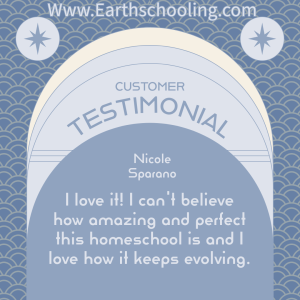
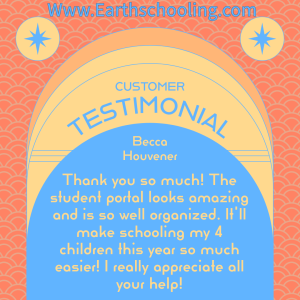
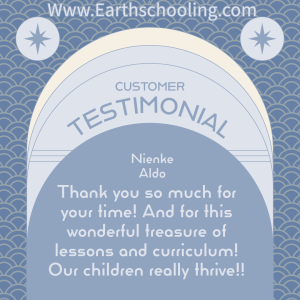
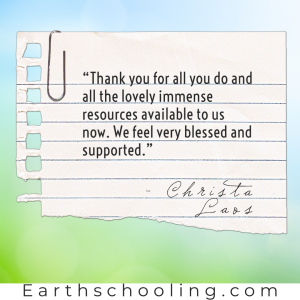
Feedback: We have been really loving the math story! My kiddo counts down until it is time to do our story each day. She actually wanted to buy items at the bazaar, so she gets a handful of jewels each day and has to figure out what she can afford. Bravo to the creator of this math block. It is spectacular! – January Jordan
- Experiential Learning: Math is introduced through movement, music, stories, art, and hands-on activities. This multi-sensory approach helps children visualize and internalize concepts, making learning enjoyable and meaningful.
- Focus on the “Quality of Numbers”: Instead of just focusing on quantity, students explore the qualitative aspects of numbers, like the idea of “oneness” and “twoness,” connecting these concepts to the world around them.
- Introduction to the Four Processes: Addition, subtraction, multiplication, and division are introduced through imaginative stories that often feature characters representing each operation. This approach allows children to understand the relationships between the processes in a creative and engaging way.
- Emphasis on Skip Counting and Rhythmic Counting: Children develop number fluency and memorize math facts through rhythmic activities like clapping, jumping rope, and reciting verses.
- Form Drawing and Freehand Geometry: Students begin exploring geometry by learning to draw various forms. This helps them develop a sense of balance, order, and spatial relationships.
- No Textbooks or Workbooks: Instead of relying on textbooks, teachers present lessons in engaging ways, and students create their own main lesson books with notes, drawings, and illustrations, actively engaging in the learning process.
- Developing a Growth Mindset: Waldorf classrooms foster a supportive environment in which students are encouraged to explore different problem-solving strategies, discuss their thinking with peers, and learn from mistakes, thereby reducing math anxiety and building confidence.
- Developing a strong sense of number and understanding number relationships.
- Counting and skip counting fluently up to 100.
- Introduction to the four basic operations (addition, subtraction, multiplication, and division).
- Learning basic math facts up to 20.
- Learning to write numbers up to 100 and Roman numerals.
- Form drawing and introduction to freehand geometry.
Waldorf math in First Grade aims to cultivate a love for learning and problem-solving, setting the stage for a rich and meaningful mathematical journey throughout their education.
Curriculum Content Included in This Block
Planner Block: Math: The Four Processes
Waldorf Basic Math and How to Start
Math Gnome Stories for First Grade – Full Set
First Grade Math Lesson Block: Sixth Sense Math
Roman Numeral Lessons with Stories
Jack’s First Grade Math Main Lesson Book
Hannah’s First Grade Math Main Lesson Book
Video Content Included in This Block
Video: Math with Beeswax
Video: Math through Finger Knitting
Video: Math through Knitted Flowers
Video: Telling the Math Story: The Four Processes
Video: How to Draw a Chalkboard Drawing of the Four Math Processes
Video: Introduction to the Four Processes Main Lesson Book
Video: Percival Plus Adding Things Up
The videos listed above are not Living Lesson videos. They are teacher support videos intended to assist you with this block. If you would like additional assistance for this class, you can upgrade to the Living Lessons version of this block.



 Reload document
 Open in new tab