Even Samuel Hahnemann, the father of homeopathy, recognized the importance of type and noted that knowing a person’s type was essential to understanding how they might exhibit the same disease and how they would react to similar medicines. In his essay, Suppression in the Four Hippocratic Temperaments, Samuel Hahnemann observed that each type reacted differently […]
Waldorf 101
Basic Waldorf Verses
Waldorf poems, songs, and recitations during morning circle are called “verses.” They are not inherently religious. They are called “verses” because that is what best describes them. Calling them “circle time songs” could not allow for the inclusion of poems, recitations, finger games, and more. You can hear these verses being sung in the video […]
The Waldorf Birthday Story
Invoke a sense of the sacred on a child’s birth and are performed with the teacher reading, the child acting, and the parent watching. The story can be changed from ‘he’ to ‘she,’ of course. In cases of miscarriage, I have sometimes changed the story to where the child chooses a different family or chooses […]
Waldorf Celebrations
One of the celebrations we celebrate during the Waldorf Earthschooling year is Advent. However, contrary to popular belief, the Advent spiral done at Waldorf schools is not inherently Christian. It can be secular and calendar-based, or celebrated to honor several religious or spiritual traditions, depending on who is participating in your family or class. What […]
Waldorf 101: Waldorf & Spirituality

Waldorf Spirituality: The Waldorf Curriculum for children actually does not teach Anthroposophy. However, Waldorf Schools in general are either secular, Christian, Jewish, Muslim, or very broadly spiritually based. Each day begins with a prayer and ends with a parting prayer. Each meal starts with a verse, and the notion of a spiritual life in some […]
Waldorf Art
Central to Waldorf principles is the need to surround children with beauty. Watercolors and beeswax crayons (when used with teacher guidance and purpose) naturally create very beautiful works without technical talent. You will notice that the teachers take care not to let the children muddle their colors into a brown mess. At home, our children […]
The Wisdom of Fairytales
Parents frequently express concern about violent, even bloody, incidents that occur in Grimm’s fairy tales. Today, we often see these tales edited to remove or soften these aspects. This results in a kind of deprivation of our children’s sense of life that is similar to the effects of painkillers and can dull that sense. At […]
Natural Toys, Clothing, and Materials
This article is from an old Waldorf school newsletter from 1990. If anyone knows the source, please let me know 🙂 Anyone well acquainted with our school will have had their attention drawn at some time to the fact that when it’s a matter of cloth being put to use – in the kindergarten toys, […]
Breathing In, Breathing Out, and Baking Bread
This is a sample class schedule that incorporates the principles of “Breathing in and Breathing Out”. I have also explained some of the wisdom behind the baking of the bread below. Shaping Bread: “Breathing In”. This is the beginning of every Waldorf day. The children are allowed to slowly ease into the day, focus their energy […]
Rhythm of the Waldorf Year

Here is a sample of some Earthschooling activities I scheduled over the year based on seasonal, holiday, and other themes. Earthschooling includes holiday and seasonal themes, but is not dependent on them and covers many other themes each month as well. This makes Earthschooling suitable for parents and teachers around the world. The themes for […]
Lesson Blocks in Waldorf Education
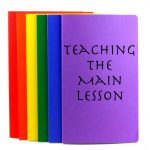
When you purchase a Planner Block from Earthschooling, we lead you through this process within the Planner Block itself. However, it is still helpful to read this document so you can understand the ‘why’ behind how we planned the lessons. When you purchase a Subject Block from Earthschooling, it is assumed that you are already […]
Rhythm of the Month
Earthschooling – an Award Winning Curriculum