Description
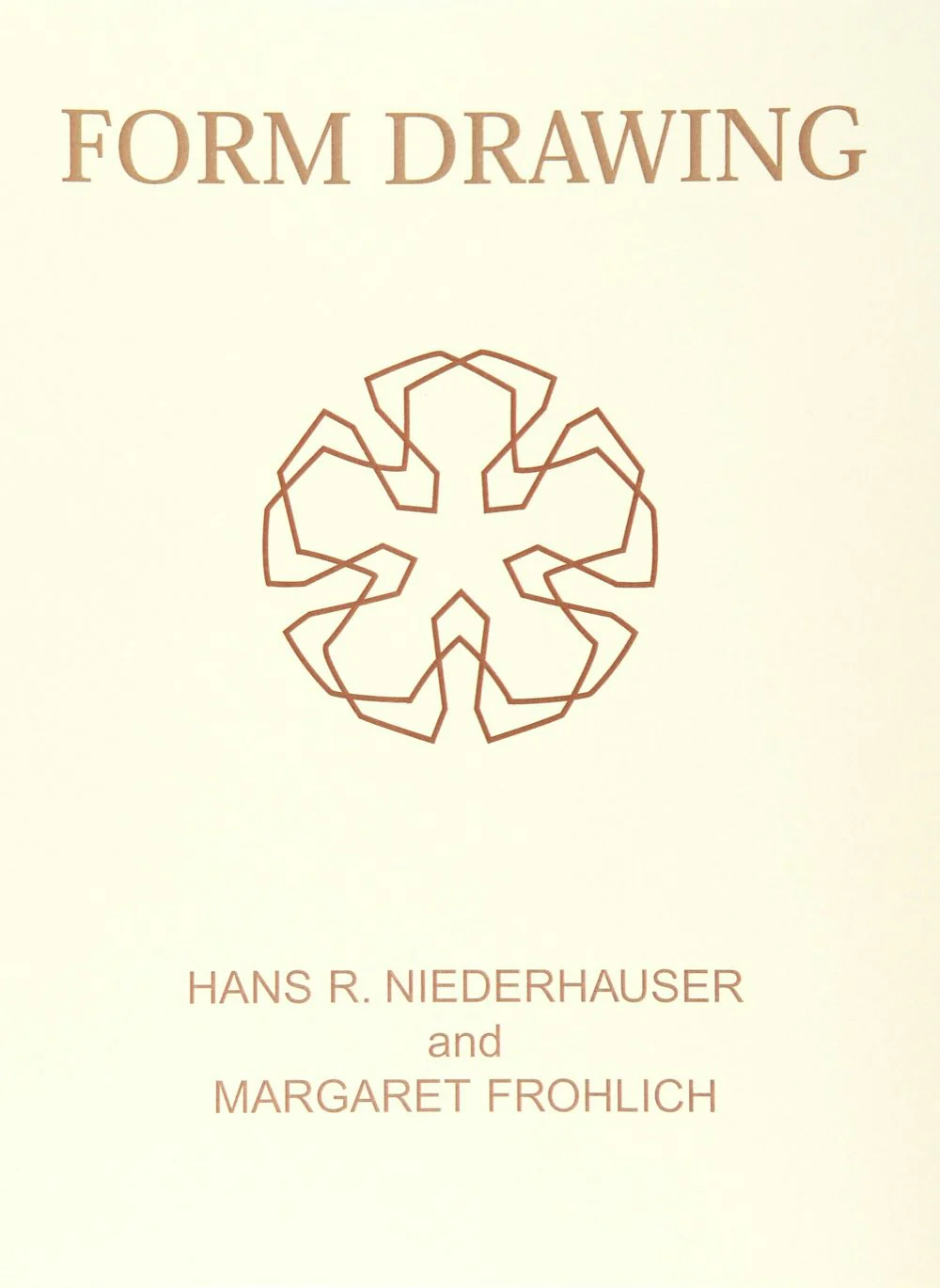
Children’s experiences, entering their being, determine their future. In Waldorf Education, the child draws archetypal forms as an aid to balancing polarities in his or her nature, so that experiencing the world can be more harmonious. Form Drawing is a practical, well-illustrated guide to this invaluable educational tool.
This book collects four essays by Niederhauser, focusing mainly on an overview of form drawing according to Steiner’s indications, plus a lengthy section on practical pedagogy by Frohlich.
While form drawing enriches most teaching subjects, it is primarily helpful as a pedagogical means to develop imagination and flexible thinking.
One cannot develop moral forces by talking at children or by moralizing, but by doing certain things with the cildren over and over again, by emphasis on the element of will. One must count on the metamorphosis of soul forces: what one has incorporated into the will of the growing child changes and comes to life later as moral feeling and moral imagination. It awakens as a new moral consciousness with the impulse to do in freedom and with love what necessity and duty require.
— Neidermeyer and Frohlich
Part I: An educational and artistic impulse given by Rudolf Steiner (by Hans Rudolf Niederhauser)
Part II: A practical guide to form drawing in Waldorf schools (by Margaret Frohlich)